


Fundraising How-To Guides Nonprofit Resources
How to Run a Profitable Charity Golf Tournament: A Nonprofit’s Complete Guide
Charity golf tournaments remain one of the most popular and profitable fundraisers for nonprofits. Beyond raising mission-critical funds, golf events connect your organization to donors, supporters, sponsors, and the community in ways that are both engaging and relationship-driven. For first-timers, launching a golf tournament from start to finish can feel daunting. But with the right strategy and tools in place, your nonprofit can plan and execute a successful, revenue-generating event without overextending your team.
This guide walks through the planning process step by step, from kickoff to post-event follow-up, with a focus on creating a strong experience while maximizing fundraising potential. Here’s how to plan and execute a successful charity golf tournament, step by step.
Let’s dive in.
Why Golf Tournaments Work for Nonprofits

Golf tournaments bring together multiple revenue streams within a single event, creating opportunities to engage participants in different ways throughout the day.
Key advantages include:
- Multiple revenue streams in one event: Registrations, sponsorships, on-course games, auctions, raffles, and add-ons all contribute to total revenue
- Broad appeal: Golf events attract a wide range of participants across donor segments and experience levels
- Built-in networking time: Several hours on the course create natural opportunities for relationship building
- High sponsor visibility: Sponsors benefit from consistent exposure and interaction throughout the event
- Meaningful connection to your mission: The setting allows for storytelling and engagement in a way that feels natural and unforced
The most successful tournaments are intentionally designed to activate each of these elements, creating both a strong participant experience and a well-rounded fundraising strategy.
How to Run a Golf Tournament Fundraiser
Step 1: Lay the Foundation
Strong events start with early planning. Begin six to nine months in advance to set your team up for success. Start with the right tools. Choose an event management platform built specifically for golf tournaments that can handle:
- Registration and payments
- Team management
- Sponsor onboarding
- Live scoring and leaderboards
- Participant communication
Next, establish your core planning elements:
- Form a planning committee
Assign clear roles across logistics, sponsorships, marketing, and operations.
- Set goals and a budget
Define your fundraising target and map out all revenue streams, not just registrations.
- Secure your course and date
Evaluate accessibility, capacity, and overall experience.
- Select your format
A scramble is the most common and inclusive option, with alternatives like best ball available for more competitive audiences. A strong foundation helps streamline execution and gives your team clarity moving forward.
Step 2: Build Sponsorships That Drive Revenue
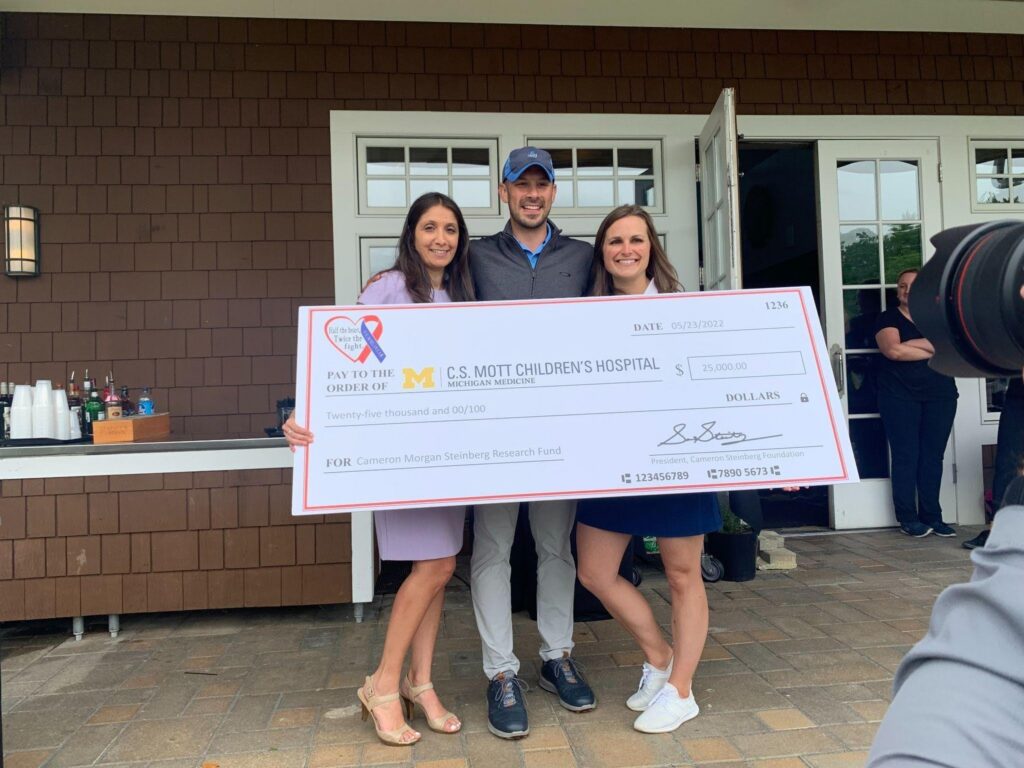
Sponsorships are often the largest contributor to overall revenue. Clearly defined sponsorship tiers help businesses understand how they can participate and what they receive in return.
Common sponsorship opportunities include:
- Title or presenting sponsor Top-level visibility across branding and communications
- Pin flag sponsor Branded visibility across the course
- Contest or activity sponsors Support for on-course games, contests, meals, or experiences
- Hole sponsors Accessible entry point for local businesses
- In-kind sponsors Donated goods or services that enhance the event
It is important to clearly communicate value. Sponsors want to understand how they will be recognized and how their support connects to your mission.
Travel and experience packages can be thoughtfully integrated into premium sponsorship tiers to elevate perceived value and create more meaningful sponsor engagement. Experiences like Scottsdale Greens, Florida Fairways, or La Quinta Luxury go beyond traditional benefits by offering something tangible, memorable, and inherently shareable.
Instead of adding more logo placements or standard perks, organizations can position a curated experience as part of a top-tier sponsorship, giving sponsors a distinctive offering they can use to reward clients, engage key stakeholders, or extend their brand beyond the event itself.
This approach shifts sponsorship from visibility alone to value-driven participation, helping sponsors feel more connected to the experience while giving organizations a compelling way to differentiate and justify premium pricing.
Step 3: Choose the Right Format and Player Experience
The scramble format is the most widely used for nonprofit tournaments because it is inclusive and easy to play. Every participant contributes, which makes the experience more enjoyable for a broader audience. Use a shotgun start to maintain pace and keep the event running smoothly and set clear expectations with participants in advance about:
- Format and rules
- Schedule and timing
- On-course contests and activities
Enhance the player experience with sponsor activations, interactive moments, and well-paced play. A positive experience encourages repeat participation and stronger engagement year over year.
Step 4: Promote Your Event Effectively
Your event website is the central hub for all promotion and engagement. It should allow participants to:
- Register a team.
- Explore sponsorship opportunities.
- Preview auction and raffle items.
- Make a donation.
- Learn about the event experience.
Start promotion as soon as your event website is live, with increased activity eight to twelve weeks out.
Key promotion channels include:
- Email campaigns Segment messaging for past participants, sponsors, and new audiences
- Social media Share updates, sponsor spotlights, and behind-the-scenes content
- Sponsor amplification Encourage sponsors to promote the event within their networks
- Promoting auction and raffle highlights in advance can also build anticipation and support stronger participation.
Step 5: Drive Revenue With On-Course Activities
On-course activities are a key driver of both engagement and incremental revenue. When structured well, they enhance the experience while encouraging participation throughout the round. High-performing activities include:
- Mulligan sales: Sell in advance, at check-in, and on the course, with bundle options to increase uptake
- Longest drive and closest to the pin contests: Simple, popular contests that appeal to a wide range of players
- Beat the pro: Creates a memorable and interactive experience
Live scoring and leaderboards: Keeps energy and friendly competition high
These activities often generate meaningful revenue while adding to the overall enjoyment of the day.
Step 6: Use Auctions and Raffles to Maximize Fundraising
Auctions and raffles perform especially well in the golf tournament setting, where participants are engaged, social, and spending extended time together.
A strong auction strategy typically includes:
- Silent auction: Runs throughout the event and keeps participation steady
- Live auction: Focused on a small number of high-impact items during the post-round gathering
- Raffle: Provides an accessible entry point for all participants to contribute
A powerful way to build momentum across both auctions and raffles is to anchor them with a high-impact experience that immediately captures attention. Travel and experience packages are especially effective in this role. They’re easy to market, broadly appealing, and create a sense of excitement that draws more bidders and participants into the mix.
Golf-centered experiences are a natural fit for golf tournament audiences. Packages like Del Monte Draw offer a blend of play and prestige on an iconic course, while the Phoenix Open brings the energy of a world-class event – premium access, unforgettable atmosphere, and built-in storytelling that resonates with guests. These aren’t just rounds of golf; they’re immersive moments that feel aspirational yet attainable.
At the same time, introducing a mix of high-value, non-golf experiences: coastal escapes, luxury desert retreats, or bucket-list city stays, helps broaden appeal beyond core golf enthusiasts. This layered approach ensures there’s something for every type of bidder, increasing overall participation and creating more pathways for revenue.
When positioned strategically, these packages don’t just fill space. They set the tone, elevate perceived value, and encourage more people to engage, whether they’re bidding, buying raffle tickets, or simply imagining themselves in the experience.
Benefits of incorporating experience packages include:
- High perceived value that drives competitive bidding
- Broad appeal across different donor interests
- No upfront cost or inventory required
- Ability to offer multiple packages if demand is strong
- Post-event fulfillment handled externally
Experiences can also be tied to sponsorships, where sponsors help fund or align with a specific package, adding another layer of value. Promoting key auction and raffle items in advance through email and your event website helps build anticipation and drive engagement before the event even begins.
Step 7: Create a Memorable Experience
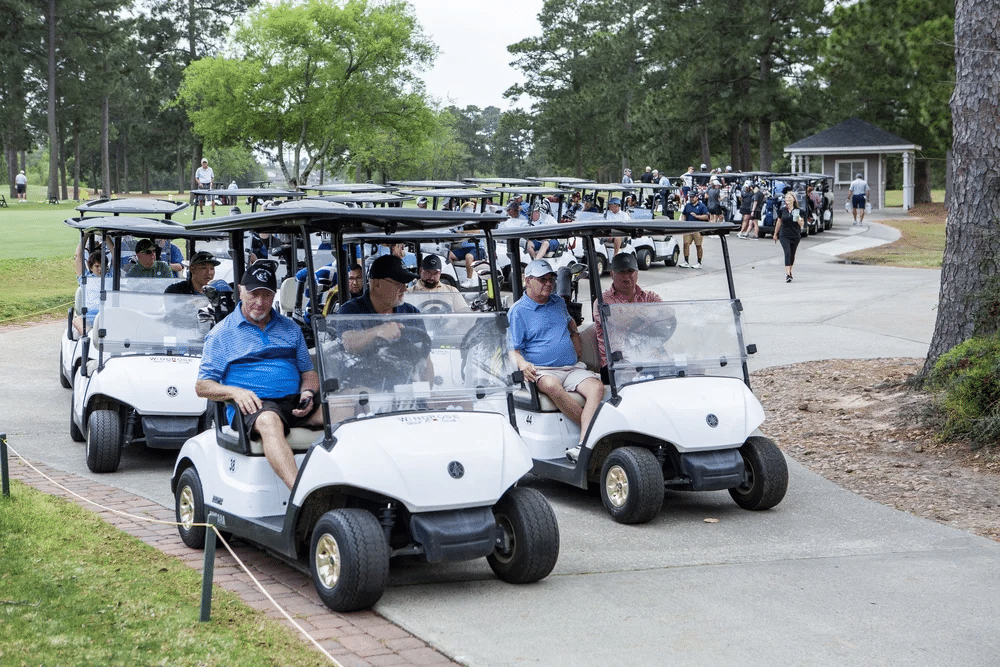
Participants will remember how the event made them feel. Bring your mission into the experience through:
- On-course signage with impact messaging
- Mission moments during the program
- Recognition of sponsors, donors, and volunteers
Enhance the atmosphere with music, an emcee, on-course engagement, and a strong post-event gathering. When participants feel connected, they are more likely to give, return, and stay engaged.
Step 8: Stay Organized for a Stress-Free Tournament Day
Tournament day should feel organized and well-paced. Use your event platform to manage:
- Check-in
- Scoring
- On-course purchases
- Leaderboards
- Communication
Ensure your team understands their responsibilities and follows a clear run of show. Be thoughtful with pairings and hole assignments that mix sponsors, donors, and new participants to encourage relationship building throughout the day. Preparation allows your team to focus on delivering a strong experience.
Step 9: Follow Up and Build Long-Term Impact

The event does not end when the final putt drops. Follow up with:
- Thank-you messages within 48 hours
- Personal outreach to sponsors
- An impact report that shows what was raised and what it supports
- A short post-event survey to gather feedback
Experience packages continue to create value long after the tournament ends. When winners redeem their trips or experiences, they reconnect with the moment they chose to give, extending the emotional impact beyond event day. This post-event fulfillment becomes part of the donor journey and offers another opportunity to reinforce connection to your mission. How that experience is delivered matters. Trip winner care should be a priority when working with any travel consignment provider. The booking process, communication, and overall support all reflect back on your organization.
As you evaluate providers, consider:
- How trip winners are supported throughout booking and travel
- Responsiveness and clarity of communication
- Consistency of service, reflected in Google reviews and customer feedback
- Policies in place to protect donor privacy and ensure information is only used for fulfillment
When managed well, these experiences become more than a single transaction. Winners often share their experiences with others, extending the reach of your event and strengthening long-term relationships.
Golf Tournament Fundraiser Planning Checklist
- Set a clear fundraising goal
- Form your planning committee
- Secure your venue and date
- Select your event platform
- Choose your tournament format
- Build sponsorship tiers
- Launch your event website and open registration
- Procure auction and raffle packages
- Promote your event through email and social media
- Confirm on-course activities
- Finalize your run of show
- Execute your event
- Send thank-yous and share impact
- Begin planning for next year
Start Planning Your Charity Golf Tournament
A well-planned and well-executed golf tournament does more than raise funds. It creates an opportunity to bring people together, deliver a meaningful experience, and build lasting connections to your mission. With the right strategy in place, your event can grow year over year in both participation and impact.
Ready to start planning a high-impact golf event? GolfStatus provides the tools and expertise to help you streamline operations, engage participants, and maximize results at no upfront cost. Connect with GolfStatus to get started.
Ready to strengthen your auction and raffle strategy? Auction Packages offers a zero-risk consignment model that helps nonprofits offer high-value travel and experience packages without upfront cost or inventory. Explore curated experiences designed to engage your audience and maximize results.
Connect with Auction Packages.
Contributors

Kevin Spykerman
VP of Sales, Auction Packages